
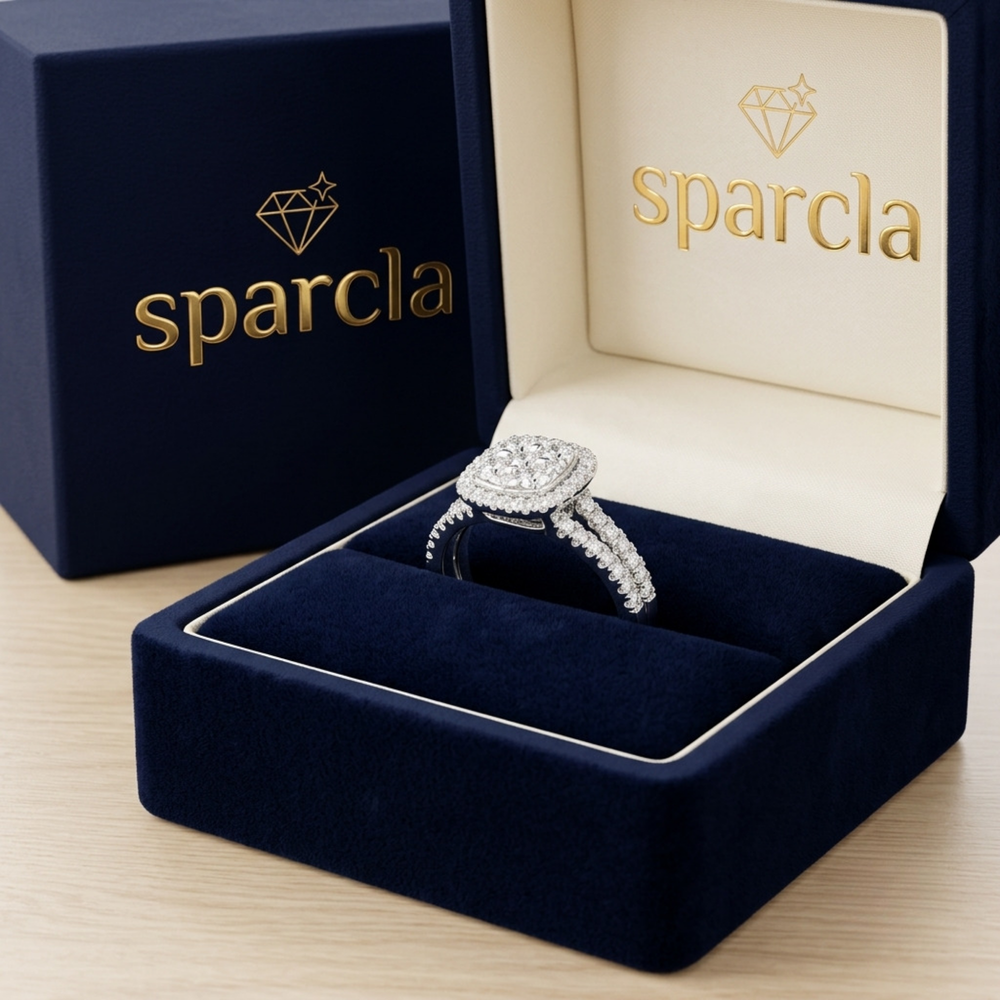

How Engaged Couples in the USA Can Choose the Perfect Diamond
Choosing a diamond is one of the most exciting moments in an engagement journey. It is more than selecting a beautiful stone—it is choosing a symbol of your relationship, personal style, and future together.
With so many shapes, grades, sizes, and settings available, the process can feel overwhelming. This guide will help engaged couples in the USA confidently choose a diamond that balances beauty, quality, lifestyle, and budget.
1. Set a Comfortable Budget
There is no rule that determines how much you should spend on an engagement ring. Choose a budget that feels comfortable for both partners and does not create unnecessary financial pressure.
Consider the complete ring price, including:
- The center diamond
- Accent or side diamonds
- Gold or platinum setting
- Ring customization
- Certification
- Shipping and applicable taxes
A thoughtful, well-chosen diamond will always feel more meaningful than one purchased simply to meet an outdated spending rule.
2. Understand the Four Cs
The Four Cs—cut, color, clarity, and carat weight—are the main factors used to evaluate a diamond.
Cut
Cut affects how beautifully a diamond reflects light. A well-cut diamond can appear brighter and more impressive than a larger diamond with a lower-quality cut.
For exceptional sparkle, prioritize an Excellent or Ideal cut whenever available.
Color
Diamond color is graded from D, representing colorless, through Z, showing increasingly noticeable yellow or brown tones.
Diamonds in the G–H range often provide an excellent balance of beauty and value. They generally appear bright and nearly colorless once placed in a ring.
Clarity
Clarity evaluates natural characteristics found inside or on the surface of a diamond.
Many VS and SI clarity diamonds appear completely clean to the naked eye. Choosing an eye-clean diamond can help you avoid paying more for microscopic perfection that is not visible without magnification.
Carat Weight
Carat measures the diamond’s weight—not necessarily how large it looks.
Diamond shape, cut, and proportions can influence its visible size. For example, oval, pear, and marquise diamonds often appear larger than round diamonds of the same carat weight.
3. Choose a Diamond Shape That Reflects Your Style
Each diamond shape has its own personality.
- Round: Timeless, brilliant, and exceptionally sparkly
- Oval: Elegant, flattering, and visually elongated
- Emerald: Sophisticated with clean lines and mirror-like facets
- Pear: Romantic and distinctive
- Marquise: Dramatic, elongated, and visually larger
- Cushion: Soft, romantic, and vintage-inspired
- Princess: Modern with strong geometric lines
- Radiant: Contemporary with impressive brilliance
Try different shapes before making your decision. The right diamond should feel natural and beautiful on the wearer’s hand.
4. Decide Between Lab-Grown and Natural Diamonds
Lab-grown and natural diamonds share the same fundamental optical, chemical, and physical properties. Both can offer exceptional brilliance and durability.
A lab-grown diamond can be an excellent choice for couples who want:
- A larger diamond within their budget
- Modern and responsible luxury
- High color and clarity grades at an accessible price
- A certified diamond with genuine sparkle
A natural diamond may appeal to couples who value rarity, geological origin, and traditional significance.
The best choice depends on your values, preferences, and budget—not outside expectations.
5. Select the Right Setting
The setting protects the diamond and defines the overall appearance of the engagement ring.
Popular choices include:
- Solitaire: Clean and timeless, placing full attention on the center diamond
- Hidden halo: Adds subtle sparkle beneath the center stone
- Halo: Creates a brighter and larger visual appearance
- Three-stone: Represents the past, present, and future
- Pavé band: Adds delicate sparkle along the ring
- Bezel setting: Offers a secure and contemporary design
- Vintage-inspired: Features detailed metalwork and romantic character
Your lifestyle should influence the setting. Someone who works frequently with their hands may prefer a lower-profile or bezel-set design for additional protection.
6. Choose the Metal Carefully
The metal color can influence how the diamond and overall ring appear.
- White gold: Modern, bright, and elegant
- Yellow gold: Warm, timeless, and classic
- Rose gold: Romantic and distinctive
- Platinum: Naturally white, durable, and luxurious
White gold and platinum can enhance the icy appearance of a colorless diamond. Yellow and rose gold create beautiful contrast and may complement warmer diamond colors.
7. Look for Independent Certification
A quality center diamond should include a grading report from a respected independent laboratory, such as GIA or IGI.
The certificate confirms important details, including:
- Carat weight
- Cut grade
- Color grade
- Clarity grade
- Measurements
- Proportions
- Diamond identification number
Always compare the certificate with the diamond being offered before completing your purchase.
8. Think About Everyday Wear
An engagement ring is designed to be worn regularly, so beauty should be balanced with comfort and practicality.
Consider:
- The height of the center stone
- The security of the prongs
- Band thickness
- Ease of cleaning
- Compatibility with a wedding band
- The wearer’s daily activities
A beautiful ring should feel comfortable, secure, and effortless to wear.
Choose a Diamond That Tells Your Story
There is no single perfect diamond for every couple. The perfect diamond is the one that reflects your relationship, suits your lifestyle, and feels meaningful every time you look at it.
At Sparcla, we help couples create engagement rings that combine refined craftsmanship, responsible luxury, and personal expression. Whether you prefer a timeless round solitaire, an elegant oval diamond, or a completely custom design, your ring should be as unique as the love it represents.
0 comments